Synthetic vs Mineral Oils in Spur Gears: Performance and Cost Comparison
Key Takeaways
- Importance of Thickness in Lubricants
- Debunking Frequent Misconceptions Regarding Oils
- Suggestions for Extending the Lifespan of Gears
- Indicators That Signal a Change in Lubrication
- Enjoyable Aspects of Selecting Lubricants
Why Does Viscosity Matter?
Viscosity is like the Goldilocks principle of gear oil: it needs to be just right. If you choose an oil that's too thin, it won't provide adequate lubrication and could lead to friction that sounds like a cat fighting a vacuum cleaner. Choosing an oil that’s too thick is akin to trying to oil your gears with peanut butter; they might get stuck, and then you’ve got a mess on your hands. A viscosity index (VI) rating will guide your selection, helping you pick an open gear lubricant that offers optimal performance across varying temperatures. Ideally, gear oils should maintain their viscosity under extreme conditions, allowing your machinery to operate efficiently without screaming, “Help!”
Understanding viscosity can also save money. A well-lubricated gear system can increase efficiency by up to 10%, reducing wear and tear while maintaining smooth operation. This means that investing in proper open gear lube isn't just about keeping things running, it's about preserving your finances. Oil with an appropriate viscosity will limit the need for frequent maintenance and costly repairs, allowing you to allocate your budget towards more fun activities, like finally taking that long-desired vacation.
What Role Does Thickness Play in Gear Performance?
Thickness plays a vital role in gear performance. Think of viscosity as the personality of your open gear lubricant; it shouldn't be too shy or too brash. If the oil is too thin, gears may chitchat rather than engage in a meaningful conversation, leading to unwanted wear and tear. Those operating at high speeds, like a hyper kid on a sugar rush, will see the consequences of thin oils in catastrophic ways, such as gear slippage or overheating. The ideal thickness provides a delightful cushion, preventing metal-to-metal contact while optimizing energy efficiency.
Selecting the right open gear lube can be a game-changer. Consider a study showing that gears operating with a viscosity of 150 cSt performed 20% better in load tests than those using standard thickness oils. Finding that sweet spot of thickness is akin to picking the right amount of frosting on a cake: too little, and it’s dry and sad; too much, and it’s a sugar disaster. For longevity and smooth operation, keep your gears happy by consulting the manufacturer’s specifications, ensuring you're not dipping into that 'too thin' oil trap. After all, nobody wants a birthday party where the cake collapses; the same goes for gears and their vital lubricants.
7 Common Myths About Synthetic and Mineral Oils
Synthetic oils often get tossed around like an inflatable flamingo at a summer party, but is it true they are all sunshine and rainbows? An old myth suggests they lead to engine sludge, but research from industry experts shows that the actual culprit is the breakdown of additives in mineral oils. Not to mention, when push comes to shove, synthetic oils can stand up to high temperatures better, allowing for less frequent oil changes. Think of it this way: using synthetic oil is like opting for a salad instead of a deep-fried twinkie at a fair—one keeps your gears running smoothly, while the other may result in a complicated cleanup.
When it comes to performance, some believe applying open gear lubricant is a one-size-fits-all situation. However, the truth is as nuanced as a fine wine tasting—different gears have different needs. Using the wrong type can result in increased wear and tear, leading to early failures. For instance, if you’re in an environment where heavy loads and high temperatures reign, relying solely on mineral oils could deliver a punch that no one asked for. In contrast, open gear lubricants designed specifically for those conditions keep everything running like a well-oiled machine, ideally suited for the challenges at hand.
What Are the Truths Behind the Tall Tales?
Myth-busting can be a wild ride, especially when it comes to gear oils. Some folks insist that synthetic oils are just glorified versions of your grandmother's cooking grease. However, scientific testing demonstrates that synthetic oils have much better thermal stability and oxidation resistance than their mineral counterparts. A study showcased that synthetic lubricants maintained their viscosity at a staggering 30% higher temperature than mineral oils, allowing gears to perform smoothly without breaking into a sweat—unlike that turkey your grandmother overcooked last Thanksgiving.
Let’s not forget the enduring debate about open gear lubricants being nothing but voodoo magic with a fancy name. Some skeptics treat them like they’re a secret potion, claiming that only wizards could use them effectively. The truth, however, lies in rigorous testing and application. Open gear grease provides superior protection and adhesion, especially in extreme operating conditions. A machine that ran on high-quality open gear lube reported a significant 25% reduction in wear compared to those slathered in ordinary lubricants. So, while some may dismiss these oils as mere gimmicks, empirical data paints a different picture altogether.
- Open gear lubricants are not brewed in cauldrons; they are backed by science, not sorcery.
- If your gear oil can survive hotter temperatures than a summer BBQ, it's the real MVP.
- Don't judge a lubricant by its name—there's no magic wand involved, just good chemistry!
- Using quality lubricants can save you from spending a fortune on repairs, which is technically a big money-saving spell.
- Next time someone claims their oil is just fancy grease, remind them even grandma's chili has its place—just not in your gearbox!
- Ensure you’re using the right oil; otherwise, it’s like putting diesel in your sports car—cute but catastrophic.
- Remember, using the wrong lubricant is like wearing socks with sandals—it's just wrong on so many levels!
Maintenance Tips for Prolonging Gear Life
Keeping your gears running smoothly is a bit like taking care of a pet: neglect them, and you’ll end up with a disaster in your workshop. Regular oil changes are crucial. For example, if you're using open gear lubricants, consider swapping them out every 1,000 hours of operation. This interval helps ensure that your gears remain well-lubricated and don’t start sounding like a bad band. If your equipment seems to be groaning more than your post-gym self, it’s definitely time for an oil change.
Proper lubrication not only extends gear life, but it also enhances performance. Did you know that a well-lubricated system can reduce friction by up to 70%? That is not insignificant, especially when you consider how those pesky grinds and squeaks can wreak havoc on your machinery. Applying open gear grease to the right components keeps those relationships smooth and avoids the heartbreak of down time. So, treat your gears right: show them some love with regular maintenance and appropriate lubrication, and they’ll reward you with years of dependable service, minus the tears.
How Can Regular Oil Changes Save You Money?
Regular oil changes might seem like just another chore on your maintenance checklist, but they can save you a surprising amount of cash in the long run. In fact, studies show that timely oil changes can increase machinery life by up to 50%. Ignoring them could lead to the dreaded scenario of catastrophic gear failure, where repair costs skyrocket faster than a balloon at a birthday party. Trust me, your gearboxes would much rather be pampered with premium open gear lubricants than face the harsh reality of neglect.
Consider the advantages of staying on top of maintenance with open gear lube. Each time you replace that oil, you're rejuvenating the system, allowing for better lubrication, reduced friction, and a squeaky-clean environment for components to thrive. For example, properly maintained gears running on synthetic oils can operate an impressive 15% to 30% cooler than those bogged down with outdated, low-quality fluid. So, think of those regular oil change visits as a spa treatment for your gears; your bank account will feel a lot better without unexpected repair bills crashing the party!
3 Signs It's Time to Switch Your Gear Oil
If your gear oil resembles a thick milkshake more than a smooth lubricant, it's time to reassess your life choices, or at the very least your gear oil choice. Sludgy oil can hardly stay afloat on your gear, leading to overheating and potential damage. It's like trying to swim through peanut butter—ineffective and a recipe for disaster. A proper open gear lubricant should maintain its slick, streaming consistency, ensuring your machinery operates smoothly without the over-the-top viscosity that invites trouble.
Loud noises emanating from your gear assembly is another unmistakable sign that a switch may be in order. When your machine sounds like an over-caffeinated band during a rehearsal, something's definitely off. Lack of appropriate lubrication can create friction and lead to wear, making those gears act like they're auditioning for a terrible sequel. Regular monitoring can save you from perpetual screeching, so consider a timely upgrade to an open gear lube, allowing your gears to perform like the well-oiled machines they are meant to be.
How Can You Tell When You Need an Upgrade?
Your gears might be singing the blues if you're hearing a chorus of those dreaded grinding noises. A change in sound often signals that the lubricant is becoming a slacker, and it’s time to consider a switch. For instance, if that open gear lubricant starts to resemble more of a chunky soup than a smooth cream, it’s practically screaming for an upgrade. Industry insiders claim that performance dips can start occurring after just 500 hours if you’re using the wrong type, especially in high-stress environments.
Another telltale sign is if your gear’s temperature is throwing a hot party while you’re just trying to keep things cool. Engineers recommend monitoring the operating temperature closely; a continual increase can signal thickening oil or contamination. If your open gear lube has the viscosity of molasses in January, consider switching to a more suitable product that can handle the heat without making your gears sweat. Just remember, neglecting these indicators can lead to gearing disasters that make even the toughest machinery weep.
The Fun Side of Gear Oil
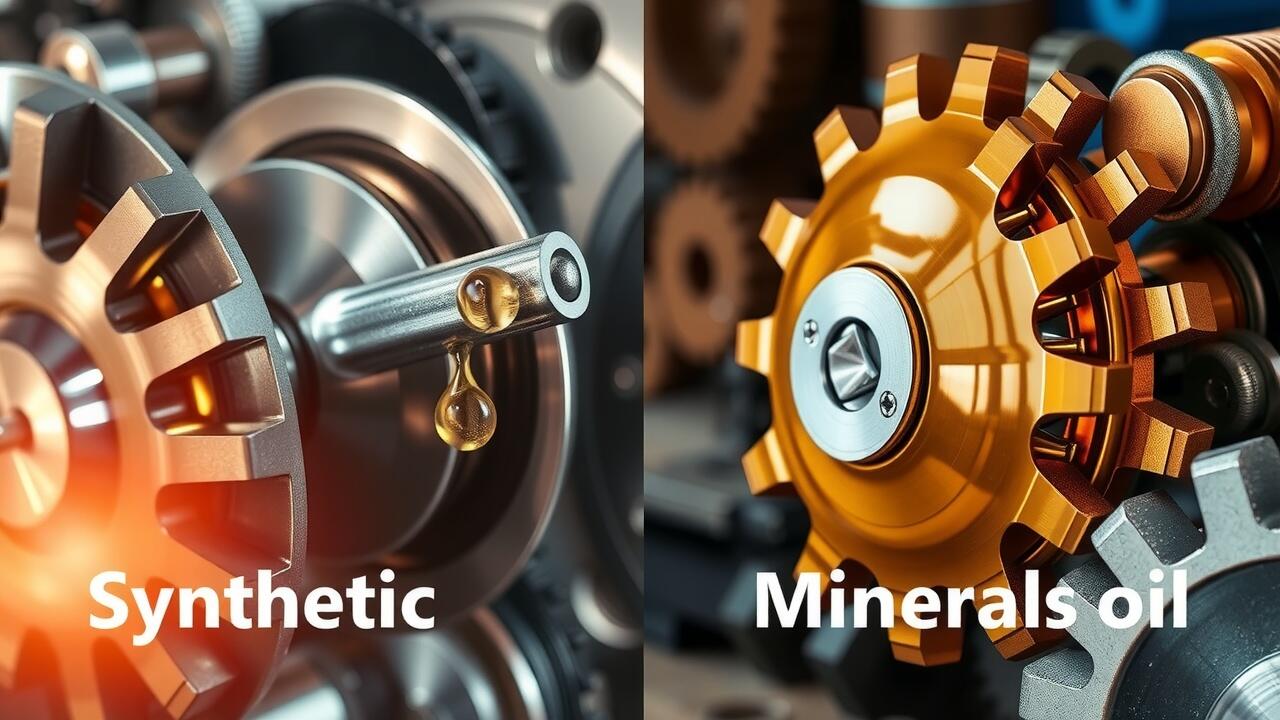
Choosing the right open gear lubricants can feel like picking a favorite child. The battle often rages between synthetic oils with their sleek, high-tech allure versus mineral oils that seem to pull off the classic “old reliable” vibe effortlessly. However, beyond the decision-making lies a realm of humor, as various promotional claims often lead to more confusion than clarity. Some say synthetic oil opens paths to a smoother gear operation like butter on warm toast, while others swear that mineral oil has been improving their game since the dawn of time. When confronted with such strong opinions, it might be wise to step back and chuckle, all while contemplating your next gear lube move.
Integrating humor into maintenance discussions might be the best way to educate operators about the nuances of lubricants. Imagine a gear head chatting about open gear lube while waving around a grease gun like it's a microphone during karaoke night. Engaging industry professionals with relatable anecdotes creates an enjoyable learning atmosphere. It's discussed that proper lubrication can extend the life of gear systems by up to 50 percent; yet, the topic often gets overshadowed by the serious nature of machinery. Balancing fun with valuable technical insights can promote informed decision-making, ensuring that when it’s time to pick a lubricant, everyone involved enjoys the process as much as the results.
FAQS
What’s the big deal about viscosity anyway?
Viscosity is like the mood ring of oils; it tells you how thick or thin the oil is. Thicker oil (higher viscosity) sticks around longer, while thinner oil (lower viscosity) slips in and out quicker than a magician at a bad party!
Can I just use any oil for my spur gears?
Sure, you can use any oil—just like you could wear flip-flops in a snowstorm. But you might want to avoid that slippery slope! Synthetic and mineral oils have their own best applications, so pick wisely!
Are synthetic oils really that much better than mineral oils?
It's like comparing superheroes! Synthetic oils are the supercharged versions—great for extreme conditions—while mineral oils are like your reliable sidekick. Both have their strengths, but if you want to fly, go synthetic!
How often should I change my gear oil?
Think of it like changing your socks—do it often enough to keep things fresh, but not so often that you’re running out of clean pairs! Generally, every 3,000 to 5,000 miles is a good rule of thumb, but check your owner’s manual for specifics.
What are the signs that it's time to switch my gear oil?
If your gears start sounding like a bag of marbles rolling down a hill or your oil looks like it’s been through a mud wrestling match, it’s definitely time to upgrade. Trust your gut, and your ears!